Our farm is named for the many projects and ecosystems we have in our little acre under the runway. Some are carefully designed permaculture gardens, with each part serving to enhance the whole. Others are self-invited, or arose out of a beneficial coincidence.
Tuesday, August 14, 2012
Thursday, August 9, 2012
Stuffed grape leaves
To ripen grapes here, I do everything I can to grab whatever heat and sunshine our cool climate allows. I keep the vines cut back to allow in light, create air circulation. I cull the clusters of fruit to a reasonable number, try to keep the vines open and airy. But prune as I will, the vines seem to grow back faster. They keep me busy all summer.
The goats love grape leaves, and so do I. I wrap cheese in them to age, which gives them a pungent flavor and creamy texture. I also line plates with them to serve cheeses, fruit or other delicate foods.
Mostly I make dolmas, or stuffed grape leaves. I use a modified version of a recipe from
Classic Armenian Recipes, by Alice Antreassian and Mariam Jebejian, a hard to find book I can't recommend enough.
They attribute the recipe to an unfaithful housewife, who accidentally loitered away more time than she expected, and had to make something fast before her husband got home.
I find this doubtful. This recipe takes me an hour and a half to make, not counting the time gathering the leaves and flavorings. It's "fast" in the sense that the rice cooks in the leaf instead of having to be precooked, but in no other way would any contemporary person consider it quick. It took me from the time David and Noah left for Little League practice till they got back. I couldn't have had an affair if I'd wanted to! (Which I don't).
While there are a number of time consuming recipes in this cookbook, there are plenty of others that our hypothetical wife could have thrown together in less time and still been able to grab a quick shower. I believe the making of dolmas was associated with doing something time consuming and indirectly, with devotion to the family. If a family lacked money, it could at least have the luxury of painstakingly prepared dishes. So any cook who tried to bring some efficiency to the process was perhaps seen as a bit radical.
On to my modified recipe.
Plunge the grape leaves into boiling water, then immediately drain and place in a bowl of ice and water. Once they are cold, remove and pat dry.
Scatter the stems from the parsley, the sliced onion and any leaves from the onion if it was fresh picked, on the bottom of a wide, shallow pan.
These will create a flavorful broth and will nearly vanish during cooking. They also protect the leaves from sticking to the pan.

Mix all the remaining ingredients in a bowl. The proportions of rice, salt and lemon are important, but you can change up the other ingredients as you choose.
Try different herbs, and feel free to leave out the dried berries, or substitute currants (or raisins to stick with the grape theme). I just happen to have some berries I dried last year, and with fresh ones on the way, I was ready to move them out.
I have tried this with different amounts of olive oil and find that it oil does contribute to the flavor, but you could cut it back without any real problem.
The nuts, too, are optional. The onions really add flavor, but you could use scallions or chives.
Let the leaves cool for 15 minutes. Then cover the pan with a deep sided plate and hold on tightly.
Over the sink, flip the pan/plate combo over. The dolmas will all neatly tumble onto the plate. So will a fair amount of delicious, slightly thickened broth, which will burn your hands if you aren't very careful.
This dish can be served hot, at room temperature (my favorite) or cold. If you are serving it anything but hot, be a smarty and wait for it to cool before you put it on a plate.
Serve it with a salad and fried haloumi cheese - which will be a future blog post.

The goats love grape leaves, and so do I. I wrap cheese in them to age, which gives them a pungent flavor and creamy texture. I also line plates with them to serve cheeses, fruit or other delicate foods.
Mostly I make dolmas, or stuffed grape leaves. I use a modified version of a recipe from
Classic Armenian Recipes, by Alice Antreassian and Mariam Jebejian, a hard to find book I can't recommend enough.
They attribute the recipe to an unfaithful housewife, who accidentally loitered away more time than she expected, and had to make something fast before her husband got home.
I find this doubtful. This recipe takes me an hour and a half to make, not counting the time gathering the leaves and flavorings. It's "fast" in the sense that the rice cooks in the leaf instead of having to be precooked, but in no other way would any contemporary person consider it quick. It took me from the time David and Noah left for Little League practice till they got back. I couldn't have had an affair if I'd wanted to! (Which I don't).
While there are a number of time consuming recipes in this cookbook, there are plenty of others that our hypothetical wife could have thrown together in less time and still been able to grab a quick shower. I believe the making of dolmas was associated with doing something time consuming and indirectly, with devotion to the family. If a family lacked money, it could at least have the luxury of painstakingly prepared dishes. So any cook who tried to bring some efficiency to the process was perhaps seen as a bit radical.
On to my modified recipe.
1 Cup white rice
2 tsp salt, divided
4 Tbsp lemon juice, divided
1/4 Cup olive oil, divided
1/4 onion, chopped fine
1/4 onion, cut into slices
1 small tomato, chopped
1 bunch parsley, chopped, stems reserved
1/2 tsp dill weed
2 Tbsp dried blueberries
1 Tbsp walnuts
1 Tbsp pine nuts
40 tender, fresh grape leaves
Scatter the stems from the parsley, the sliced onion and any leaves from the onion if it was fresh picked, on the bottom of a wide, shallow pan.
These will create a flavorful broth and will nearly vanish during cooking. They also protect the leaves from sticking to the pan.
Mix all the remaining ingredients in a bowl. The proportions of rice, salt and lemon are important, but you can change up the other ingredients as you choose.
Try different herbs, and feel free to leave out the dried berries, or substitute currants (or raisins to stick with the grape theme). I just happen to have some berries I dried last year, and with fresh ones on the way, I was ready to move them out.
I have tried this with different amounts of olive oil and find that it oil does contribute to the flavor, but you could cut it back without any real problem.
The nuts, too, are optional. The onions really add flavor, but you could use scallions or chives.
Place a grape leaf on a flat surface and spread it out to its fullest. Set a spoonful of the mixture in the center.
Fold the two lobes by the stem over the filling, and then fold the opposite corner over to meet them.
Last, fold in the two sides and flip the stem over to cover the packet.
Arrange the wrapped leaves in tight concentric circles in your pan.
Sprinkle on the reserved lemon juice and salt, then pour on water to just barely cover. Bring to a gentle boil. Add the reserved olive oil, and cover the pan tightly. Cook 45 minutes.
Let the leaves cool for 15 minutes. Then cover the pan with a deep sided plate and hold on tightly.
Over the sink, flip the pan/plate combo over. The dolmas will all neatly tumble onto the plate. So will a fair amount of delicious, slightly thickened broth, which will burn your hands if you aren't very careful.
This dish can be served hot, at room temperature (my favorite) or cold. If you are serving it anything but hot, be a smarty and wait for it to cool before you put it on a plate.
Serve it with a salad and fried haloumi cheese - which will be a future blog post.
Monday, August 6, 2012
Edible flowers
I will never meet my nutritional needs by growing edible flowers; though they are full of antioxidants and micronutrients, I simply couldn't eat enough to survive.
But I like things to be pretty as well as useful, so I grow as many edible flowers as I can, and I make a point of eating - or at least tasting - them all. Besides, without flowers, it wouldn't feel like a garden.
My current favorite is the daylily. I once spent a few weeks on a sheep farm in Iowa. The ditch across from the us had a bank of daylilies perhaps a quarter mile long and five feet across. They grew wild (or maybe naturalized), but looked like the most meticulously cared for garden lillies.
The plant opens new blossoms daily, so you can eat them all today and by tomorrow morning more will be back. If you don't eat them, no problem. They are naturally self-deadheading, so spent flowers don't clutter them up.
Daylilies form large, thick mounds that compete well with grass, but they don't spread much by seed, nor do they runner (at least mine haven't), so they are not in immediate danger of taking over the garden.
They transplant beautifully, and tolerate a huge range of soil and climate types. Some are fragrant, which makes a good dried flower for soups, but can be overwhelming if eaten fresh. I like the less scented varieties in abundance, as a primary vegetable in stir fries. If you use the unopened buds, there is no chance of insects being inside them - not true of all edible flowers.What's not to like?
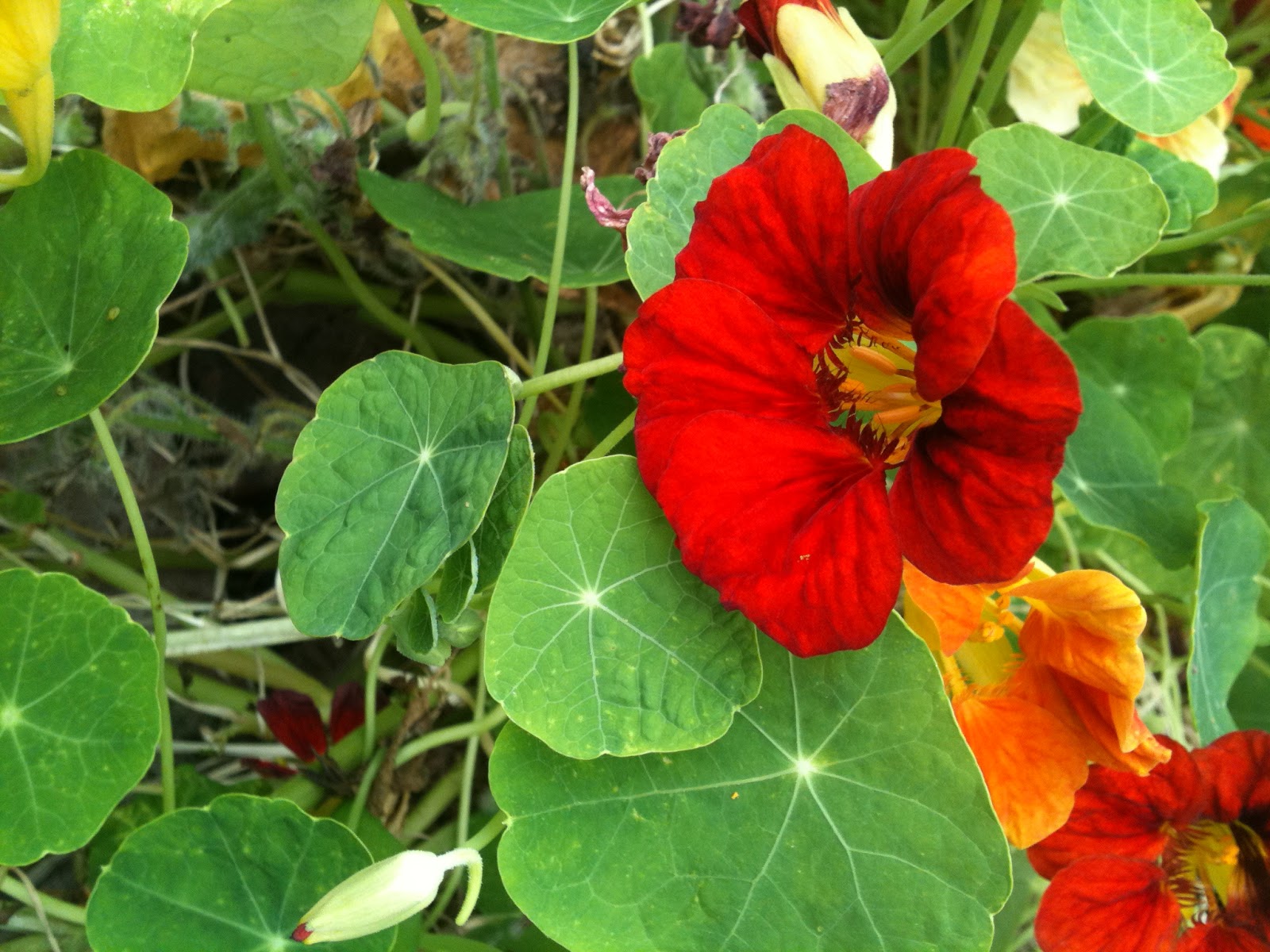
Nasturtiums are stronger stuff, physically and in flavor. They clamber over structures, run down hills and if not managed, drop their seeds and start again next year. Their flavor is spice verging on the horseradish, with a sweet pocket of nectar in the spur. I love their color and enjoy their flavor in moderation. They are especially good as a layer in sandwiches, instead of mustard. Beware. They are beloved of aphids, which do not add to the beauty of your garnish.
I mostly grow roses and honeysuckle for their beauty and scent. But once a year, I make a rose and black current jelly that is outstanding. Roses - you know their scent, sweet, and feminine, depending on variety anything from exotic to grandmotherly. Black currant, on the other hand, smells like tomcat piss.
How can that improve such a celestial perfume as roses? All I can say is, the musk in cologne is a similar phenomenon. If you caught a whiff of straight musk from the source it would probably not please you. But in a perfume, it pulls down the lighter notes, acting as a counterpoint and holding them in your palate longer. Floral scents can be frivolous, musky ones bring us back to the earth and deeper.
I imagine the satiny roses casting down their petals and tangoing with a dark, somber stranger.
I grow borage because it's easy, its flowers are blue, and it smells of cucumber. The whole plant is edible but so hairy, I never get much pleasure from it. But the flowers add a coolness to salads and beverages. Garnish a cucumber and yogurt soup to counter point all the pallor.
The flowers of many herbs are edible, including oregano, basil, sage, thyme, fennel, arugula and dill.
Add them to salads, or throw them and some garlic or chive blossoms into hot olive oil and toss with pasta.
Bursts of various flavors will keep you guessing. Some of the flowers are a bit papery. You could fussily remove their sepals, or you could just live with it.
You can laminate edible flowers between sheets of homemade pasta for confetti noodles. I'll get pictures when it happens but it's a lot of work, and I've got a gallon of goats' milk to deal with every day right now, so not this week.
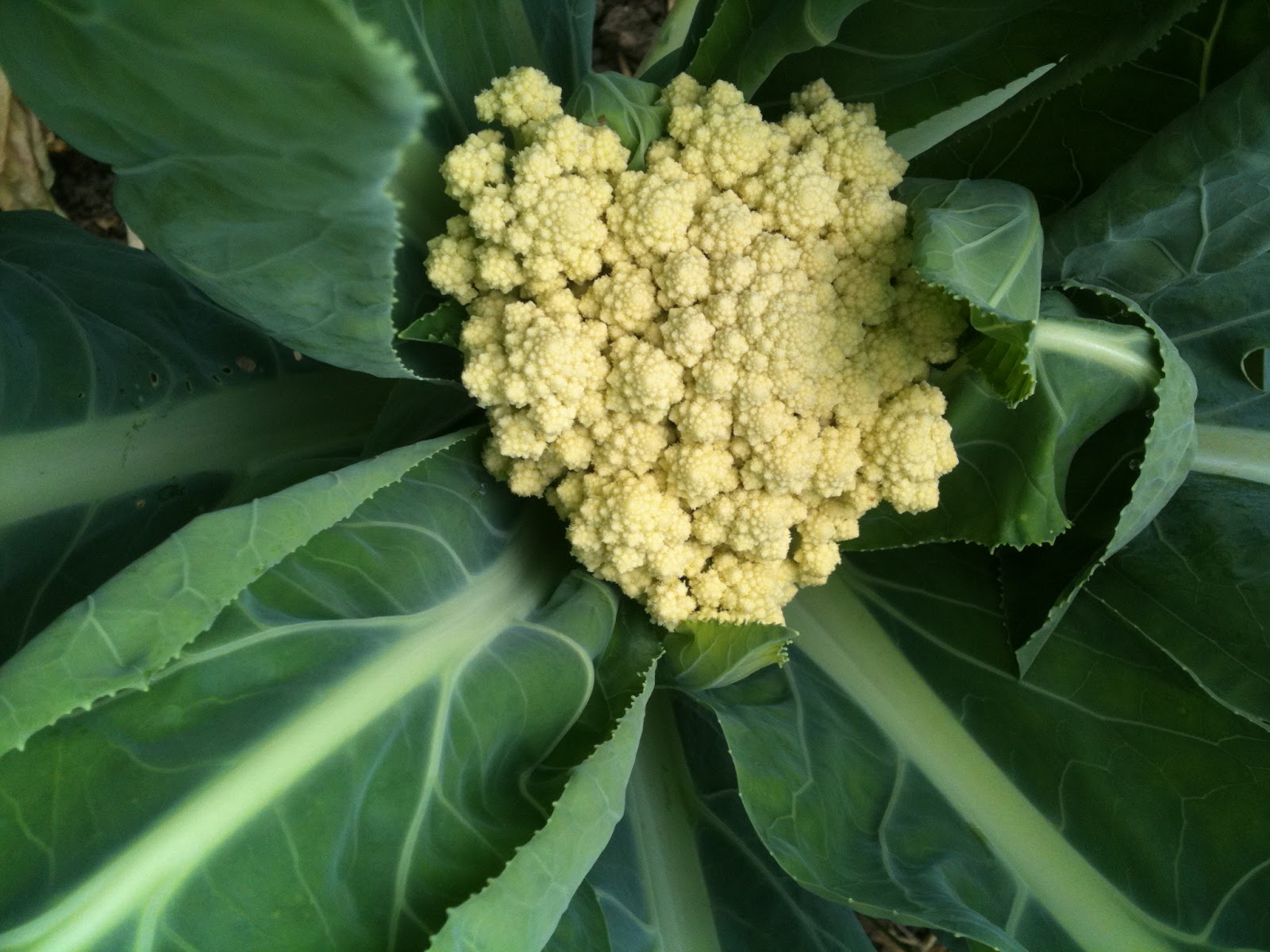
Oh - I forgot. I grow the big eating flowers - broccoli, cauliflower, artichokes, all eaten in the unopened bud. Kale will sometimes produce a multitude of broccoli-like shoots for a week or so in spring, right before going to seed. Snap them off and saute with garlic and red pepper flakes.
Tonight I'm scattering viola, calendula, basil and thyme over an omlette of home grown eggs and home made goat cheese.
Alongside, I'll serve a bowl of Sabzi, a Persian dish of mixs herbs, in this case a few salad greens with a hefty helping of flowers. Drizzled with olive oil and home made feta, it will be almost- but not quite - overpoweringly flavorful.
Dessert will be shortbreads with some of that rose and currant jelly. We can sip some clover, fennel and bee balm flower tea, and call it a night.
There will be more flowers waiting tomorrow.
| A fragrant and delicious daylily |
But I like things to be pretty as well as useful, so I grow as many edible flowers as I can, and I make a point of eating - or at least tasting - them all. Besides, without flowers, it wouldn't feel like a garden.
My current favorite is the daylily. I once spent a few weeks on a sheep farm in Iowa. The ditch across from the us had a bank of daylilies perhaps a quarter mile long and five feet across. They grew wild (or maybe naturalized), but looked like the most meticulously cared for garden lillies.
The plant opens new blossoms daily, so you can eat them all today and by tomorrow morning more will be back. If you don't eat them, no problem. They are naturally self-deadheading, so spent flowers don't clutter them up.
Daylilies form large, thick mounds that compete well with grass, but they don't spread much by seed, nor do they runner (at least mine haven't), so they are not in immediate danger of taking over the garden.
They transplant beautifully, and tolerate a huge range of soil and climate types. Some are fragrant, which makes a good dried flower for soups, but can be overwhelming if eaten fresh. I like the less scented varieties in abundance, as a primary vegetable in stir fries. If you use the unopened buds, there is no chance of insects being inside them - not true of all edible flowers.What's not to like?
| Help! They're taking over |
| A pretty orange nasturtium |
| We dug this plant up from a |
How can that improve such a celestial perfume as roses? All I can say is, the musk in cologne is a similar phenomenon. If you caught a whiff of straight musk from the source it would probably not please you. But in a perfume, it pulls down the lighter notes, acting as a counterpoint and holding them in your palate longer. Floral scents can be frivolous, musky ones bring us back to the earth and deeper.
I imagine the satiny roses casting down their petals and tangoing with a dark, somber stranger.
| Borage, a rare, naturally blue food |
| My darling lemon thyme |
| Fennel flowers - pollinators love it too |
Add them to salads, or throw them and some garlic or chive blossoms into hot olive oil and toss with pasta.
| Marjorum (or maybe Oregano?) |
You can laminate edible flowers between sheets of homemade pasta for confetti noodles. I'll get pictures when it happens but it's a lot of work, and I've got a gallon of goats' milk to deal with every day right now, so not this week.
| I can't believe I can grow this stuff! |
| Calendula |
| Viola or Johny jump-up |
Tonight I'm scattering viola, calendula, basil and thyme over an omlette of home grown eggs and home made goat cheese.
| Sabzi |
Dessert will be shortbreads with some of that rose and currant jelly. We can sip some clover, fennel and bee balm flower tea, and call it a night.
There will be more flowers waiting tomorrow.
Subscribe to:
Posts (Atom)