Showing posts with label nasturtium. Show all posts

Saturday, January 5, 2013

Blossom by Blossom, Spring Begins

Late January and the dark is getting to us. The days are getting longer, but we are locked in shadow. The ducks ponds freeze at night. Goats really appreciate warm water to drink. They drink more of it, which is important for their urinary health and of course for milk production.

In the Pacific Northwest, the dominant season of the year is this winter/spring hybrid- endless, rainy, hinting at hopeful. Sometimes I think it starts in January with the first openings of midwinter flowers and ends in June when it finally stops raining for three glorious months.

All around Several Gardens Farm, in tiny ways, Spring is waking up.

The very first blossoming is the catkins of the filbert hedge. Filberts are wind pollinated, so they don't need to flower when the bees are active. Instead, their bare winter branches are suddenly alive with fuzzy, dangly "boy things". The female flowers are extremely subtle, but they are the part that will ripen into nuts later.

I could not get a good picture of the tiny, hot fuchsia female blossom, but here are the catkins.


Next comes the cornelian cherry dogwood. This brilliant yellow seems to be a special color - a way to start the season. Here are the fat, swelling flower buds against a grey sky.


The imposing camellias are getting ready to flower (later this month).

A single branch, with its waxy dark leaves and tissue paper flowers, is a centerpiece.

If you cut a branch while it's still in bud, the flowers that open inside are much paler pink than the ones that open outdoors.


You can make a very pretty arrangement by mixing the two of them.


But what about the edibles?

The artichoke is alive but beaten down by rain and freezing. When we get to our last frost date, I'll pull back all the tattered leaves. Strawberries are also looking pretty bad but in reality, gearing up for a comeback.


A stray habenero in the greenhouse. Pepper bushes love heat, and don't take off until the hottest part of summer. But once up, I find them remarkably tough, often surviving the mild freezes in our unheated greenhouse and limping into the next year still alive.

Any forgotten onions will provide tasty greens through our mild winters.


Cabbage gets sweeter with frost. So do Jerusalem artichokes. I dig up a few of them whenever I feel like it (which given how much work they are and how indifferent I am to them, is pretty rare).

 Arugula just keeps giving. This plant is the offspring of our summer crop. A few leaves at a time, it spices up salads all winter.


Miners' lettuce sprouts
The miners' lettuce and nasturtiums are not perennials, but they come back from seed every year.


Fava bean blossoms
These little miners' lettuce sprouts will self-thin to a couple of hardy plants. I think I'll do a story just for them when they're in season. They are pretty, tasty and easy to grow; winners in every way.


And ah, those pretty fava beans. I did not expect to find them in flower mid-January. Here's to pleasant surprises. They are usually grown as cover crops or as food, but they are semi-attractive ornamentals, and also have a lovely, waxy fragrance on warm evenings.

The oyster mushroom log has stopped putting out new growth but the old ones are still edible in soups and as flavoring, though too tough to enjoy on their own.

Of all the bee hives, the healthiest and most active is the Warre. If it stays this prosperous, expect to hear more about it in the coming year. But - it is the only hive with the full south facing exit and a wall behind it, so there may be extenuating circumstances.


 Winter is a good time to see the underlying structure of things.

The fat clusters of buds that stick out on fruit trees are the future blossoms. Thin buds that cling tightly to the stem hold leaves. You need both, so careful not to winter prune away all of your next year's fruit!


Winter or early Spring is when you check your espaliers for shape.I apologize for the clutter in this picture, but hopefully you can see that the tree is growing nicely - balanced branches starting to put out little side spurs where apples will form.


 And who isn't grateful for the Bergenia and the Beauty Berry for giving color at this time of year. I ask nothing else of them, but simply give thanks.


Monday, August 6, 2012

Edible flowers

I will never meet my nutritional needs by growing edible flowers; though they are full of antioxidants and micronutrients, I simply couldn't  eat enough to survive.
A fragrant and delicious daylily

But I like things to be pretty as well as useful, so I grow as many edible flowers as I can, and I make a point of eating - or at least tasting - them all. Besides, without flowers, it wouldn't feel like a garden.

My current favorite is the daylily. I once spent a few weeks on a sheep farm in Iowa. The ditch across from the us had a bank of daylilies perhaps a quarter mile long and five feet across. They grew wild (or maybe naturalized), but looked like the most meticulously cared for garden lillies.

The plant opens new blossoms daily, so you can eat them all today and by tomorrow morning more will be back. If you don't eat them, no problem. They are naturally self-deadheading, so spent flowers don't clutter them up.

Daylilies form large, thick mounds that compete well with grass, but they don't spread much by seed, nor do they runner (at least mine haven't), so they are not in immediate danger of taking over the garden.

They transplant beautifully, and tolerate a huge range of soil and climate types. Some are fragrant, which makes a good dried flower for soups, but can be overwhelming if eaten fresh. I like the less scented varieties in abundance, as a primary vegetable in stir fries. If you use the unopened buds, there is no chance of insects being inside them - not true of all edible flowers.What's not to like?

Help! They're taking over
A pretty orange nasturtium
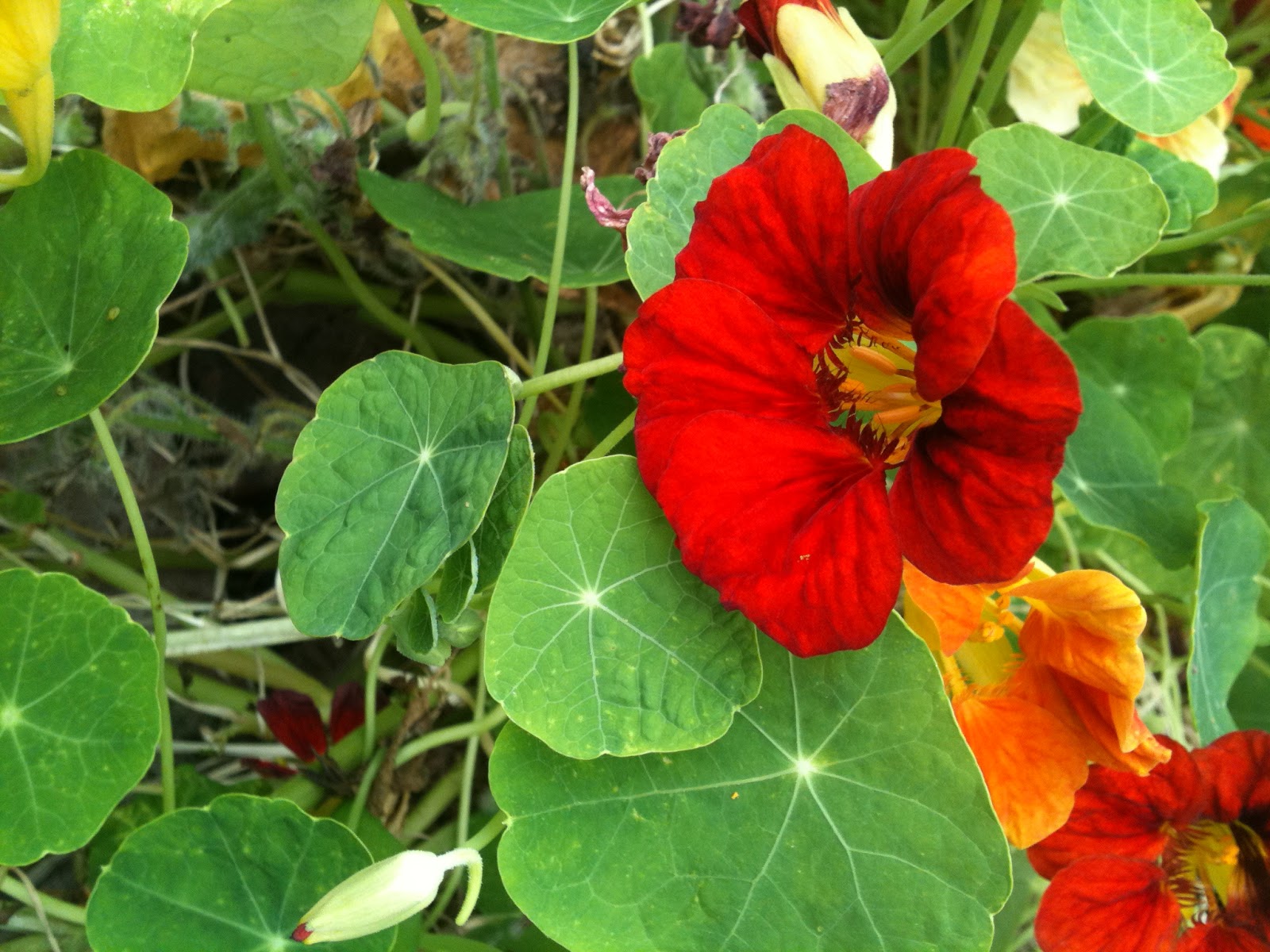
Nasturtiums are stronger stuff, physically and in flavor. They clamber over structures, run down hills and if not managed, drop their seeds and start again next year. Their flavor is spice verging on the horseradish, with a sweet pocket of nectar in the spur. I love their color and enjoy their flavor in moderation. They are especially good as a layer in sandwiches, instead of mustard. Beware. They are beloved of aphids, which do not add to the beauty of your garnish.

We dug this plant up from a
I mostly grow roses and honeysuckle for their beauty and scent. But once a year, I make a rose and black current jelly that is outstanding.  Roses - you know their scent, sweet, and feminine, depending on variety anything from exotic to grandmotherly. Black currant, on the other hand, smells like tomcat piss.

How can that improve such a celestial perfume as roses? All I can say is, the musk in cologne is a similar phenomenon. If you caught a whiff of straight musk from the source it would probably not please you. But in a perfume, it pulls down the lighter notes, acting as a counterpoint and holding them in your palate longer. Floral scents can be frivolous, musky ones bring us back to the earth and deeper.

I imagine the satiny roses casting down their petals and tangoing with a dark, somber stranger.

Borage, a rare, naturally blue food
I grow borage because it's easy, its flowers are blue, and it smells of cucumber. The whole plant is edible but so hairy, I never get much pleasure from it. But the flowers add a coolness to salads and beverages. Garnish a cucumber and yogurt soup to counter point all the pallor.

My darling lemon thyme
Fennel flowers - pollinators love it too
The flowers of many herbs are edible, including oregano, basil, sage, thyme, fennel, arugula and dill.

Add them to salads, or throw them and some garlic or chive blossoms into hot olive oil and toss with pasta.

Marjorum (or maybe Oregano?)
Bursts of various flavors will keep you guessing. Some of the flowers are a bit papery. You could fussily remove their sepals, or you could just live with it.

You can laminate edible flowers between sheets of homemade pasta for confetti noodles. I'll get pictures when it happens but it's a lot of work, and I've got a gallon of goats' milk to deal with every day right now, so not this week.
I can't believe I can grow this stuff!


Calendula
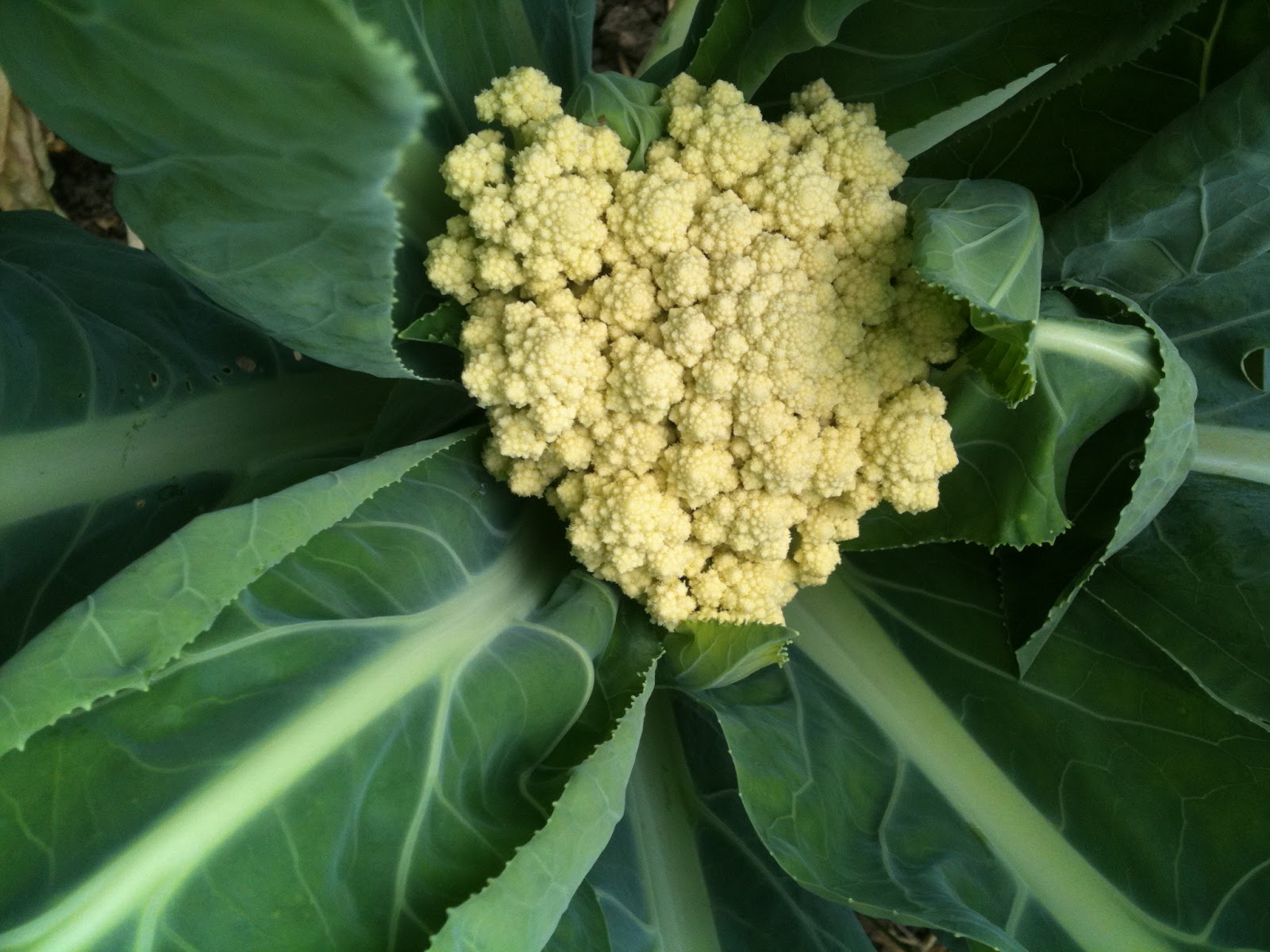
Oh - I forgot. I grow the big eating flowers - broccoli, cauliflower, artichokes, all eaten in the unopened bud. Kale will sometimes produce a multitude of broccoli-like shoots for a week or so in spring, right before going to seed. Snap them off and saute with garlic and red pepper flakes.
Viola or Johny jump-up


Tonight I'm scattering viola, calendula, basil and thyme over an omlette of home grown eggs and home made goat cheese.
Sabzi
Alongside, I'll serve a bowl of Sabzi, a Persian dish of mixs herbs, in this case a few salad greens with a hefty helping of flowers. Drizzled with olive oil and home made feta, it will be almost- but not quite - overpoweringly flavorful.

 Dessert will be shortbreads with some of that rose and currant jelly. We can sip some clover, fennel and bee balm flower tea, and call it a night.

There will be more flowers waiting tomorrow.