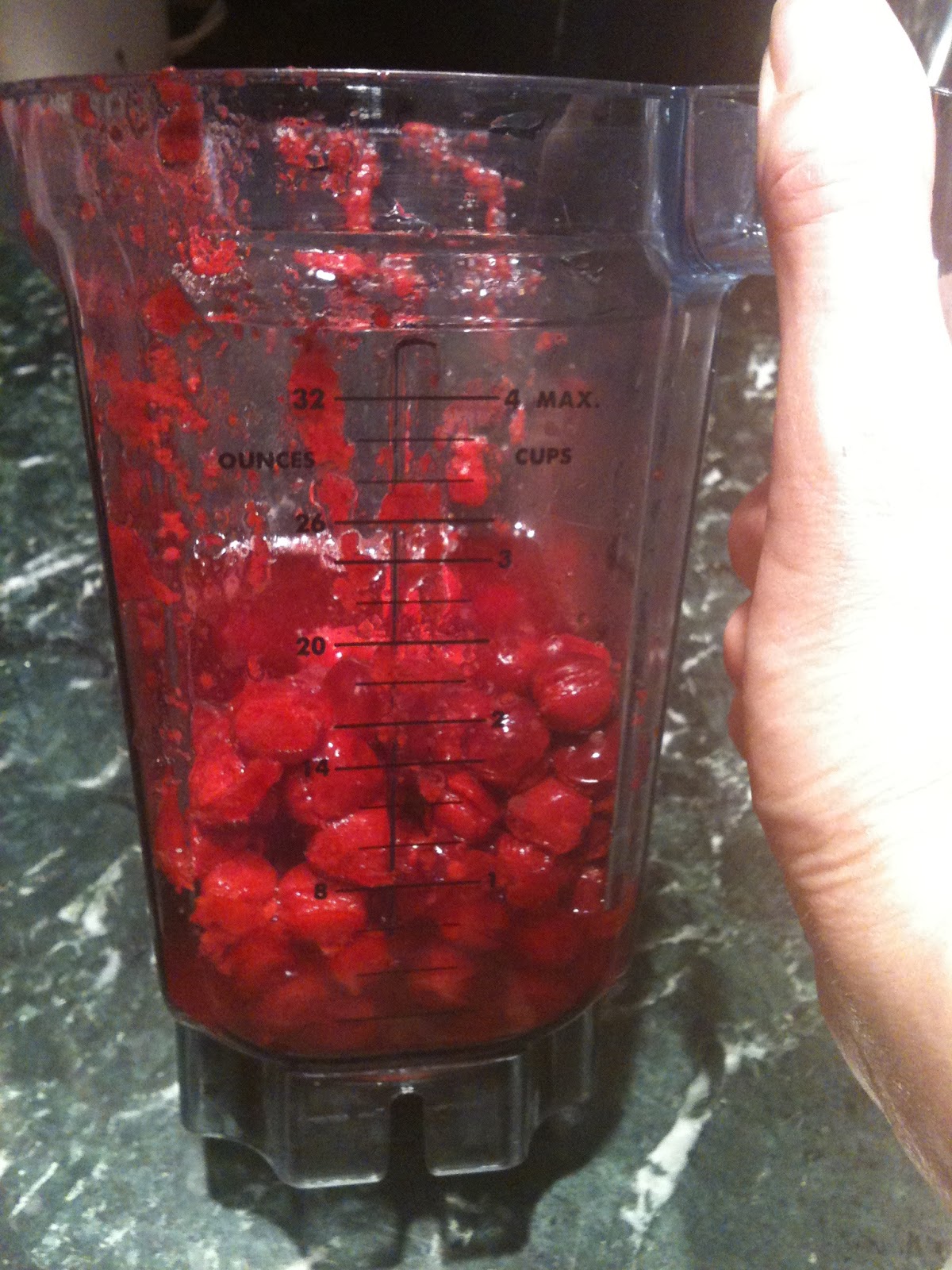
Sometimes, there isn't time to make cheesecake. Or I simply don't want to get every pan in the house dirty and heat up the kitchen. The fruit is piling up and attracting fruit flies. My family is tired of my seasonal fruit obsession, but I know how good it is, and how sinful it is to waste it.
And still that relentless, generous, sweet, epic garden keeps pumping out fruit. Berries, and plums, and now the pears are ripening, and soon the grapes will suddenly change color, and the figs will droop down in that ugly but delicious way they do when they need to be eaten.
The acid juices are seeping into tiny cuts on my fingertips from the plum pits scraping my fingers as I pit them to go in the drier. My hands are stained with berries and ache from milking and my shins are bruised from leaning into the rungs of the orchard ladder.
I love trees, but I'm tired of getting bits of twig in my hair and spiders stuck to the sides of my face as I harvest. I'm tired to looking down the ladder at the hungry goats hoping a bucket of ripe plums might fall raining down on them.
 Buckets and flats of fruit, as far as the eye can see, and it's boring. I just want everyone to eat it now. I wish I had some shortcake. I wish I had an angel food cake. I want to make the fruit seem special, because it is, but right now it doesn't feel very special.
Meanwhile, the goats' milk keeps coming. I mechanically turn gallons of it into chevre, the very simplest recipe I know. To a gallon of milk, add 1/4 cup buttermilk, a drop of rennet in water, and let it sit at room temperature till it forms a curd. Drain in a cheesecloth bag. That's all there is to it.
David is bringing home boxes of honey. Soon it will be harvest time for that, too, and bees will come looking for the enticing smell. Jar after sticky jar, or if there is enough, buckets and barrels of it.
All I can think about is ordering pizza. I need to get a grip.

These are the times to pull out the mixer and make the best goo on earth. I call it buttercream, because honeycheese sounds a bit weird, and this should be comfort food.

Take chevre, or very dry yogurt cheese. Process, blend or stir to completely soften and break up any clumps. Add honey till it's sweet and completely combined. I add about 1/3 cup honey per 2 cups of cheese. You could also add up to 1 t vanilla, but I usually don't. I prefer the texture when mixed with a paddle blade in my Kitchenaide mixer.
Chill. Serve. The texture should be velvety smooth, opulent and plush. The flavor should be slightly tangy, floral, milky, and evocative. Whenever we eat this, my son starts speculating on what blue whale milk tastes like. We've heard that it's thick as whipped cream, rich with butterfat and sugars, and makes baby whales gain three pounds an hour. This butter cream evokes such thoughts, but the ingredients are really no more decadent than putting cheese on a sandwich and a few spoonfuls of honey in your tea!
 |
| Everybody loves parfait |
If it's too thin, it's called cream sauce and I drizzle it over fruit, or add it to oatmeal.
If it's just right, it's called butter cream and one could frost cakes with it. It won't stay perfect for long. It will eventually weep and separate, so don't use it for a birthday cake. This is daily fare, meant to eat now. Mostly we use it as a layer in a parfait, with fruit of any kind, or dip large fruits into bowls of it.
I've never had a batch that was too thick, but maybe you will one day. If you inhabit such a parallel universe, no fears. Add coco powder and call it a truffle.
However it turns out, it is a great emergency dessert. It tastes special without being hard work. There's plenty of work to go around without trying for more!
The harvest season is one of those strange times, when we complain about the things we love the most. I've heard kids do this about video games (Oh, I hate this level where you get stuck trying to rescue the princess) and adults whine about rock climbing and about solving jigsaw puzzles and about weaving in the loose ends in knitting.
When people say they 'hate' some element of a beloved activity, they are searching for some other meaning. Something akin to 'my passion for what I'm doing is being proven by this most tedious or difficult task.'
In this century and community, it is a privilege and a choice for me to grow so much of my family's food. I know that, and I never regret the choice or compare myself to those who rely on farming without the fallback of a day job. Not just that - the harvest is a time of solemn gratitude, of wonder at the abundance around us. But the sheer work of it does knock me on my backside every time.
Thanks to butter cream I have a little more backside to cushion the fall!
Shared on:frugal days sustainable ways, gastronomicalsovereignty, spain-in-iowa simple lives Thursday , littlehouseinthesuburbs
Shared on:frugal days sustainable ways, gastronomicalsovereignty, spain-in-iowa simple lives Thursday , littlehouseinthesuburbs